
Our reliable communication infrastructure
Quantrova is built on secure, scalable infrastructure designed to support communications, voice workflows, messaging, networking, and AI-powered applications with reliable performance.
FEATURES
Built with real-time communications in mind
Quantrova infrastructure helps businesses build secure, scalable, and reliable communication workflows for voice, messaging, and AI-powered applications.
Reliability
Quantrova is designed to support reliable connectivity, smooth communication performance, and dependable delivery for modern business workflows.
Quality
Our infrastructure is designed to support consistent voice quality, reduce unnecessary latency, and improve reliability across communication workflows.
Security
Quantrova uses secure routing, access controls, and infrastructure safeguards to help protect communication traffic and business data.
See what you can build with Quantrova
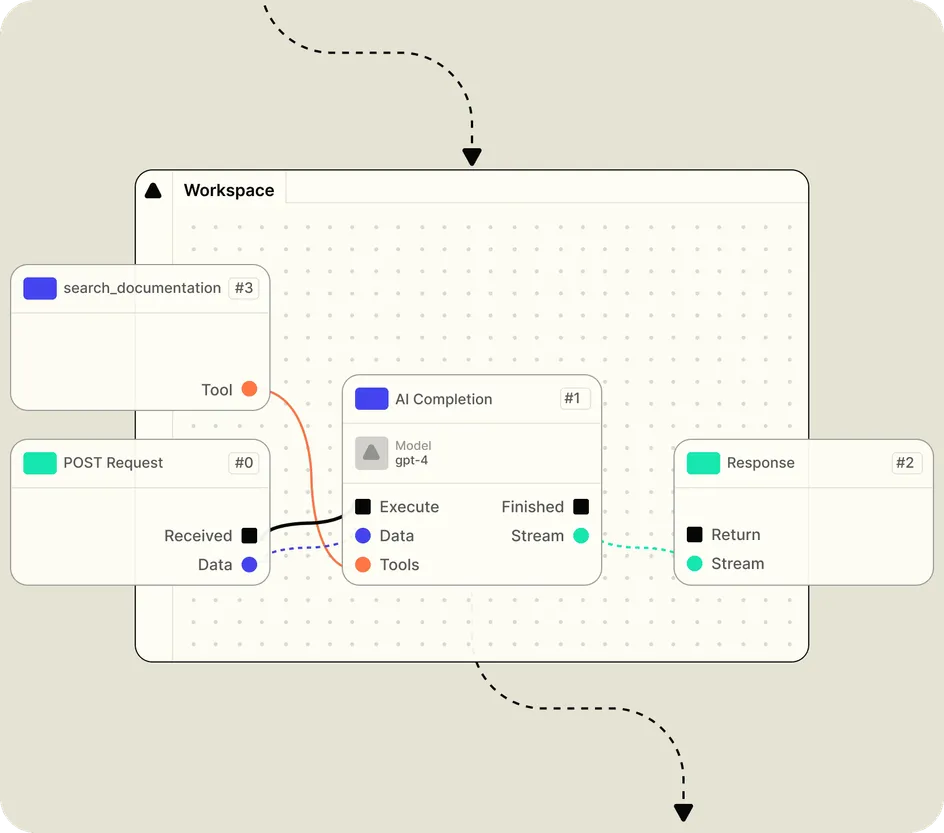
Products
Explore Quantrova products and build communication workflows with flexible APIs.


RESOURCES
Networking documentation
Learn how to create, configure, and manage network settings through the Quantrova portal.
Peering guidelines
Understand the technical requirements and setup guidance for network peering and interconnection workflows.
Edge connectivity
Explore how networking, compute, and storage can support modern communication and AI-powered workflows.
FAQ
PoP stands for Point of Presence. In networking, a PoP is a location where network equipment helps route traffic between users, applications, and communication systems.
Points of Presence can help reduce the distance traffic needs to travel, which may improve latency, reliability, and overall communication performance for voice, messaging, webhooks, and API workflows.
Private IP networks can help improve security, reliability, and traffic control compared with relying only on the public internet. They are often used to support more predictable performance for business communication and data workflows.
MPLS, or Multiprotocol Label Switching, is a networking method that helps route data more efficiently by using labels instead of relying only on standard IP routing. It is commonly used to improve traffic control, performance, and reliability.
MPLS can help reduce latency, improve routing efficiency, provide better traffic control, and support more reliable network performance for business communication systems.